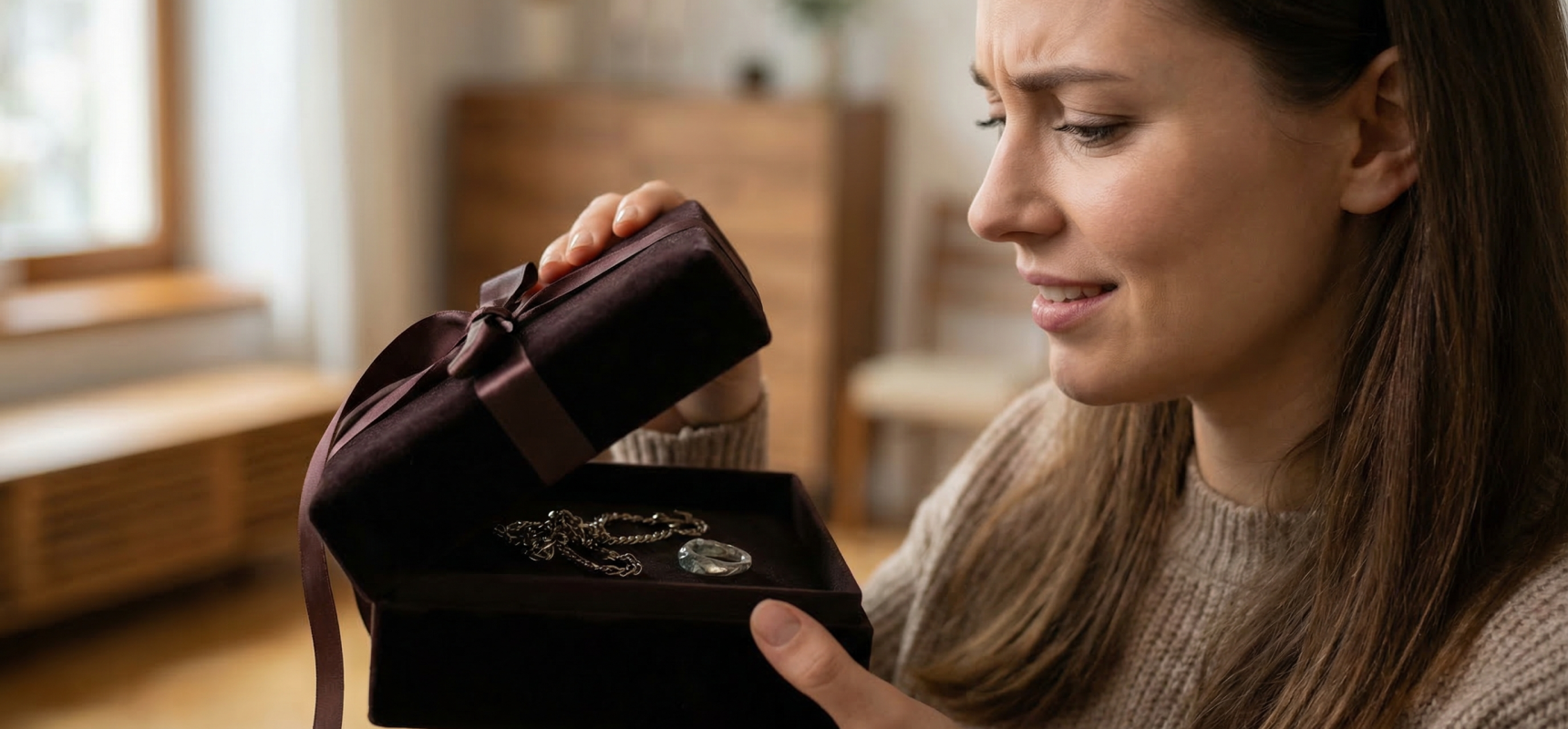
Why Silver Jewellery Turns Black and How to Prevent It
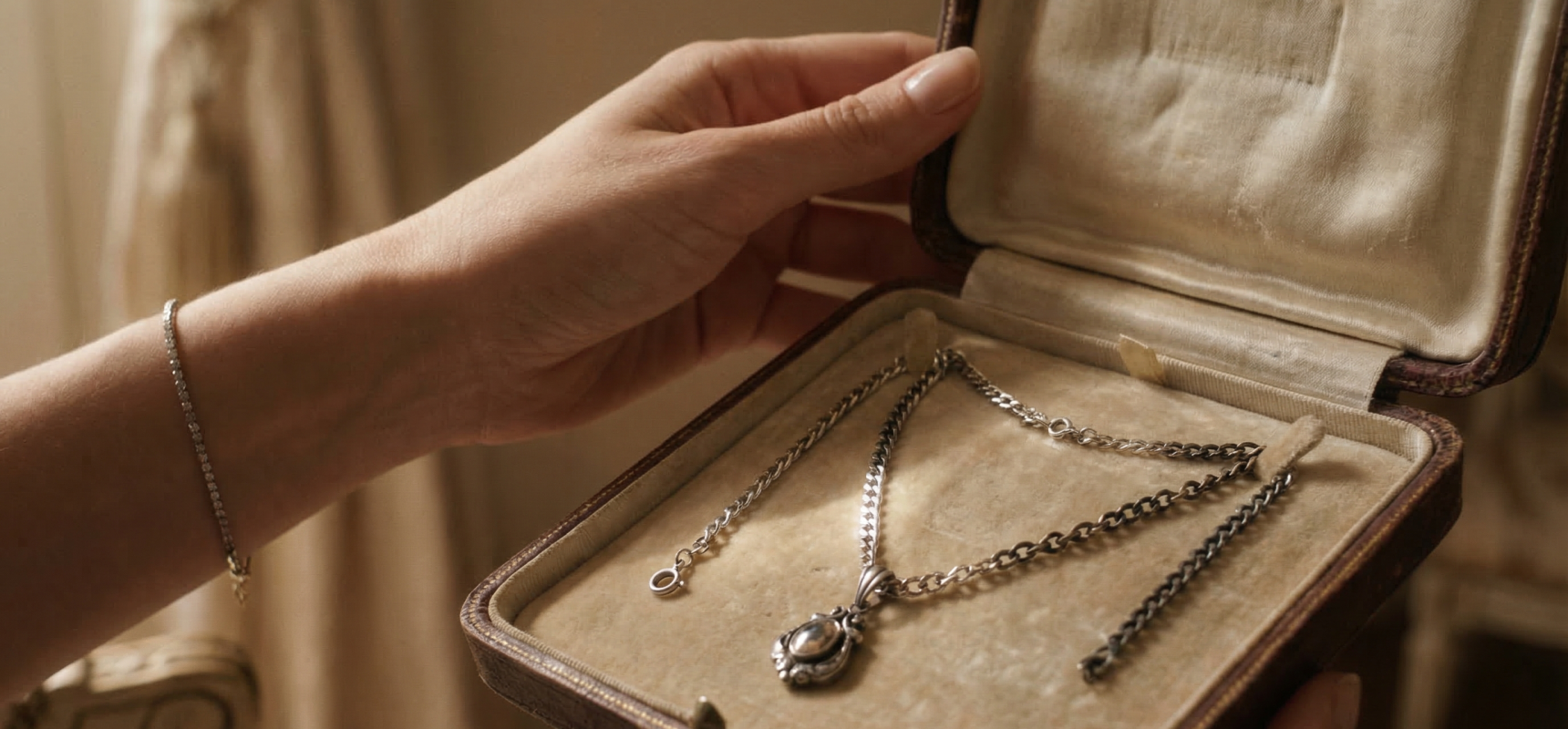
Panicking over blackened silver jewelry? Discover the exact science behind why silver jewellery tarnishes and step-by-step methods to clean and prevent it permanently.
The Heartbreak of Tarnished Silver (And Why You Shouldn't Panic)
We have all experienced this exact moment of disappointment: You reach into your jewelry box to grab your favorite silver necklace, only to find it has transformed from a brilliant, icy white to a dull, patchy black.
Let's start with the candid truth: your silver turning black is not a sign that it is fake. In fact, it is often proof that it is real.
1. The Science: Why Does Silver Turn Black?
Unlike iron, which rusts when exposed to oxygen and moisture, silver does not rust. Instead, it undergoes tarnishing. When silver is exposed to hydrogen sulfide — a gas naturally present in the air — a reaction occurs on the surface, creating silver sulfide, which appears as a dark, blackish-grey crust on your jewelry.
The chemical reaction: 4Ag + 2H₂S + O₂ → 2Ag₂S + 2H₂O
The "Fake Silver" Myth Busted
If your skin turns green: You are reacting to high copper or nickel content — common in cheap, silver-plated fashion jewelry. If the jewelry itself turns black: You are witnessing the natural reaction of genuine silver to sulfur.
2. The Top 5 Everyday Culprits Accelerating Tarnish
Body Chemistry & Sweat
Every person has a unique skin pH. If your skin leans more acidic, or if you sweat heavily, your silver will tarnish faster. Amino acids in our sweat contain trace amounts of sulfur.
Cosmetics, Lotions, and Perfumes
Your morning routine is a minefield for precious metals. Perfumes, hairsprays, deodorants, and heavy body lotions contain complex chemical compounds that accelerate tarnishing. Sunscreen is particularly notorious for dulling silver instantly.
Swimming Pools and Hot Tubs
Chlorine and bromine are harsh, reactive chemicals that will aggressively oxidize your silver, turning it a stubborn matte black almost instantly.
3. How to Prevent Tarnish Before It Starts
The "Last On, First Off" Rule
Your jewelry should be the very last thing you put on before walking out the door (after perfume, lotion, and makeup have dried). It should be the very first thing you take off when you return home.
Storage tips:
✓ Airtight ziplock bags — squeeze all the air out before sealing.
✓ Anti-tarnish strips — absorb atmospheric sulfur before it reaches your jewelry.
✓ Silica gel packets to absorb ambient moisture.
✗ Avoid wooden jewelry boxes, cardboard, or newspaper — these naturally contain sulfur.
4. How to Clean Blackened Silver: Step-by-Step
Method 1: Polishing Cloth (Daily Maintenance)
For mild, yellowish, or light grey tarnish. Rub the silver gently in long, straight back-and-forth motions. Avoid scrubbing in circles. Never wash your polishing cloth — doing so washes away the chemical treatments.
Method 2: Gentle Wash (For Dirt and Oils)
Mix a few drops of mild dish soap with warm water. Soak 5–10 minutes. Use a baby-soft toothbrush to clean around gemstones. Rinse thoroughly and pat completely dry with a microfiber cloth. Never air-dry.
Method 3: Electro-Chemical Miracle (For Severe Black Tarnish)
Line a glass bowl with aluminum foil (shiny side up). Place blackened silver on the foil. Sprinkle baking soda. Pour boiling water over it. You will smell a faint "rotten egg" odor — the sulfur is leaving your jewelry! After 3–5 minutes, rinse in cold water and dry thoroughly.
What NOT to Do: The Toothpaste Myth
Do NOT scrub your silver with toothpaste. Modern toothpaste contains baking soda, silica, and micro-plastics designed for human enamel — which is vastly harder than silver. Toothpaste will leave thousands of micro-scratches on your jewelry, permanently dulling its shine.
5. Buying Smart: Tarnish-Resistant Silver
| Treatment | What It Is | How It Prevents Tarnish |
|---|---|---|
| Rhodium Plating | A dip in Rhodium (a platinum-family metal) | Creates an impenetrable barrier. Gives a bright, "white gold" look. |
| E-Coating | An electro-painted ceramic clear coat | Seals the silver from oxygen and sulfur. Great for intricate designs. |
| Platinum Overlay | A thin plating of pure platinum | Adds extreme durability and completely stops sulfur reactions. |
Conclusion: Embrace the Silver Lifestyle
Silver turning black is not a disaster — it is simply chemistry in action. By understanding the environment, avoiding harsh chemicals, and adopting a smart storage routine, you can keep your pieces looking like they just came out of the display case.
Owning precious metals requires a small amount of stewardship. Armed with this knowledge, you can confidently buy silver jewellery knowing that it will last a lifetime.
Silver Jems
Jewellery Experts
Silver Jems is your trusted source for authentic 925 sterling silver jewellery — handcrafted pieces designed to last a lifetime.
Table of contents
Ready to find your perfect silver piece?
Shop NowShare this article
Read Next
View All
925 Sterling vs. 999 Fine Silver: Which is Better for Your Daily Wear?

Why Silver Jewellery Is Becoming the Smart Alternative to Gold